TL;DRQuick Summary
- •A non-developer recently delivered an extensive software project comprising nearly 70,000 lines of code using AI tools over 30 days. This achievement ...
- •This development fundamentally alters the talent landscape for software creation, democratizing access to building complex systems. Businesses can now...
- •Traditionally, developing comprehensive software solutions required extensive coding expertise and months, if not years, of dedicated engineering effo...
Non-Developer Delivers Extensive Codebase With AI Tools
A non-developer recently delivered an extensive software project comprising nearly 70,000 lines of code using AI tools over 30 days. This achievement signals a fundamental shift in software development capabilities, broadening who can build production-ready applications.
Why This Is a Big Deal
This development fundamentally alters the talent landscape for software creation, democratizing access to building complex systems. Businesses can now consider expanding their product development capacity beyond traditional engineering teams, potentially reducing time to market and development costs for internal tools and new features. The individuals excelling are those learning to direct AI systems effectively, a skill set poised to be highly valuable this decade.
What Changed
Traditionally, developing comprehensive software solutions required extensive coding expertise and months, if not years, of dedicated engineering effort. A recent social media report detailed how an individual without a conventional developer background built an internal AI product, complete with chat and embeddings features, image generation, login systems, testing infrastructure, and analytics integrations. This project resulted in nearly 70,000 lines of code in just 30 days. This demonstrates a clear departure from traditional development cycles and skill requirements, indicating that effective AI system direction is now paramount.
What Changed
Visual representation of what changed concepts and implementation strategies.
What This Means for Your Business
Your organization can now explore accelerating new product initiatives or internal tool development by enabling non-technical domain experts to contribute directly to code generation. This shift can free up senior engineering resources for more complex architectural challenges while allowing business units to rapidly prototype and iterate on solutions with significantly reduced dependency on traditional developer queues. This directly impacts project timelines and overall operational agility.
How to Act on This Now
Invest in training your existing non-technical staff on effective AI prompt engineering and AI-driven development methodologies.
Pilot AI-powered coding tools within a controlled environment for internal project development, focusing on defined small tasks.
Establish clear guidelines for AI usage, including version control with tools like Git and consistent rules for AI agents, as highlighted by best practices from this recent effort.
Implement a strategy for AI-assisted testing to ensure code quality and maintainability from the outset of projects.
How to Act on This Now

Visual representation of how to act on this now concepts and implementation strategies.
What's Coming Next
We anticipate a surge in specialized AI agents designed for specific coding tasks, further abstracting the need for deep coding knowledge. This will likely lead to new roles focused purely on AI workflow orchestration and validation. Regulatory bodies may also begin to address new intellectual property concerns and liability frameworks related to AI-generated code.
Frequently Asked Questions
Can AI truly replace all human developers?
The evidence suggests AI is empowering non-developers to build, not necessarily replacing skilled developers entirely. The focus is shifting towards directing AI systems effectively, which becomes a crucial new skill.
What kind of projects are suitable for AI-assisted development by non-developers?
Projects with well-defined, modular components are ideal, especially those involving common features like login systems, data analytics integrations, or basic internal AI products. Starting with smaller, specific tasks is recommended.
How can we ensure the quality of AI-generated code?
The individual's lessons emphasized critical practices like breaking projects into tiny tasks, building UI first, using Git early, and making AI write tests. Establishing clear CLAUDE.md / AGENTS.md rules for consistency is also vital.
Is "vibe coding" a sustainable development approach?
"Vibe coding," as described, refers to an iterative, exploratory approach with AI tools. While it demonstrates rapid prototyping, integrating structured practices like version control and rigorous testing remains essential for long-term maintainability and scalability.
Frequently Asked Questions
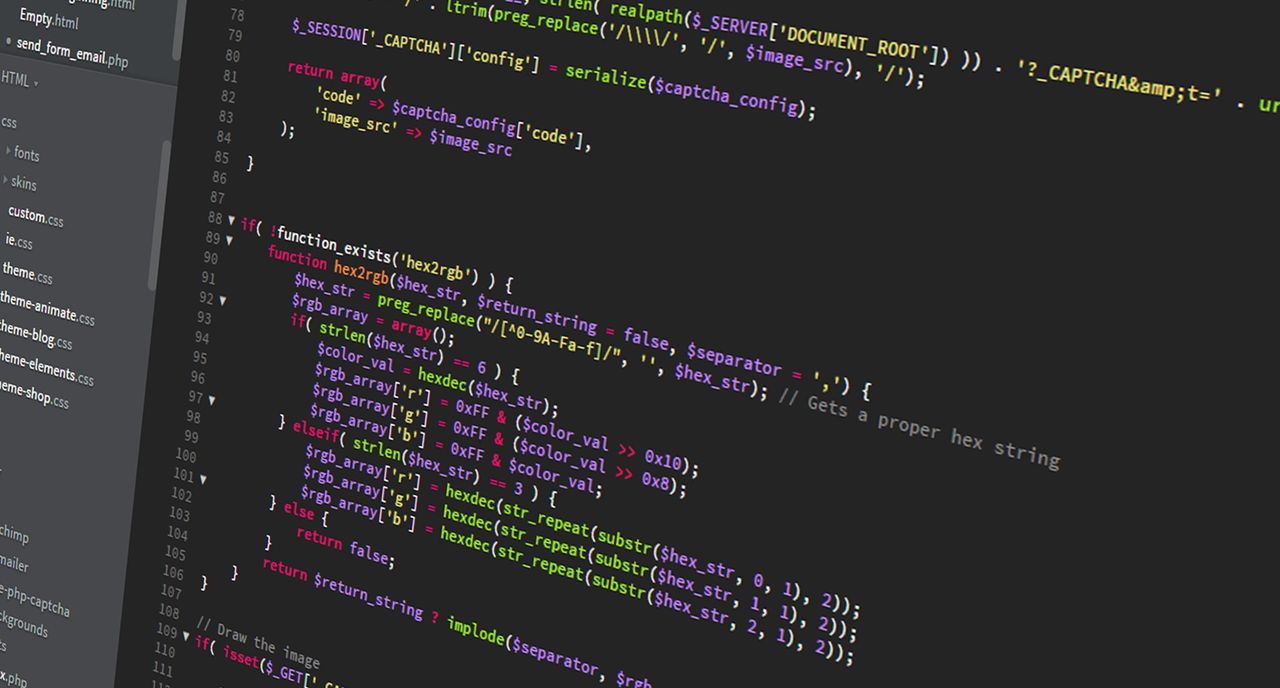
Visual representation of frequently asked questions concepts and implementation strategies.
Mastering AI-Driven Development
Explore how your organization can integrate AI tools to empower a new generation of builders. Contact us to strategize your approach to AI-assisted software development and unlock new possibilities for innovation.
⚡Key Takeaways
- 1A non-developer recently delivered an extensive software project comprising nearly 70,000 lines of code using AI tools over 30 days.
- 2This development fundamentally alters the talent landscape for software creation, democratizing access to building complex systems.
- 3Traditionally, developing comprehensive software solutions required extensive coding expertise and months, if not years, of dedicated engineering effort.
- 4Your organization can now explore accelerating new product initiatives or internal tool development by enabling non-technical domain experts to contribute directly to code gener...
- 5Invest in training your existing non-technical staff on effective AI prompt engineering and AI-driven development methodologies.
Frequently Asked Questions
Q1.Can AI truly replace all human developers?
The evidence suggests AI is empowering non-developers to build, not necessarily replacing skilled developers entirely. The focus is shifting towards directing AI systems effectively, which becomes a crucial new skill.
Q2.What kind of projects are suitable for AI-assisted development by non-developers?
Projects with well-defined, modular components are ideal, especially those involving common features like login systems, data analytics integrations, or basic internal AI products. Starting with smaller, specific tasks is recommended.
Q3.How can we ensure the quality of AI-generated code?
The individual's lessons emphasized critical practices like breaking projects into tiny tasks, building UI first, using Git early, and making AI write tests. Establishing clear CLAUDE.md / AGENTS.md rules for consistency is also vital.
Q4.Is "vibe coding" a sustainable development approach?
"Vibe coding," as described, refers to an iterative, exploratory approach with AI tools. While it demonstrates rapid prototyping, integrating structured practices like version control and rigorous testing remains essential for long-term maintainability and scalability.